
|
Getting your Trinity Audio player ready...
|
What is the Difference Between ChatGPT and Google Gemini?
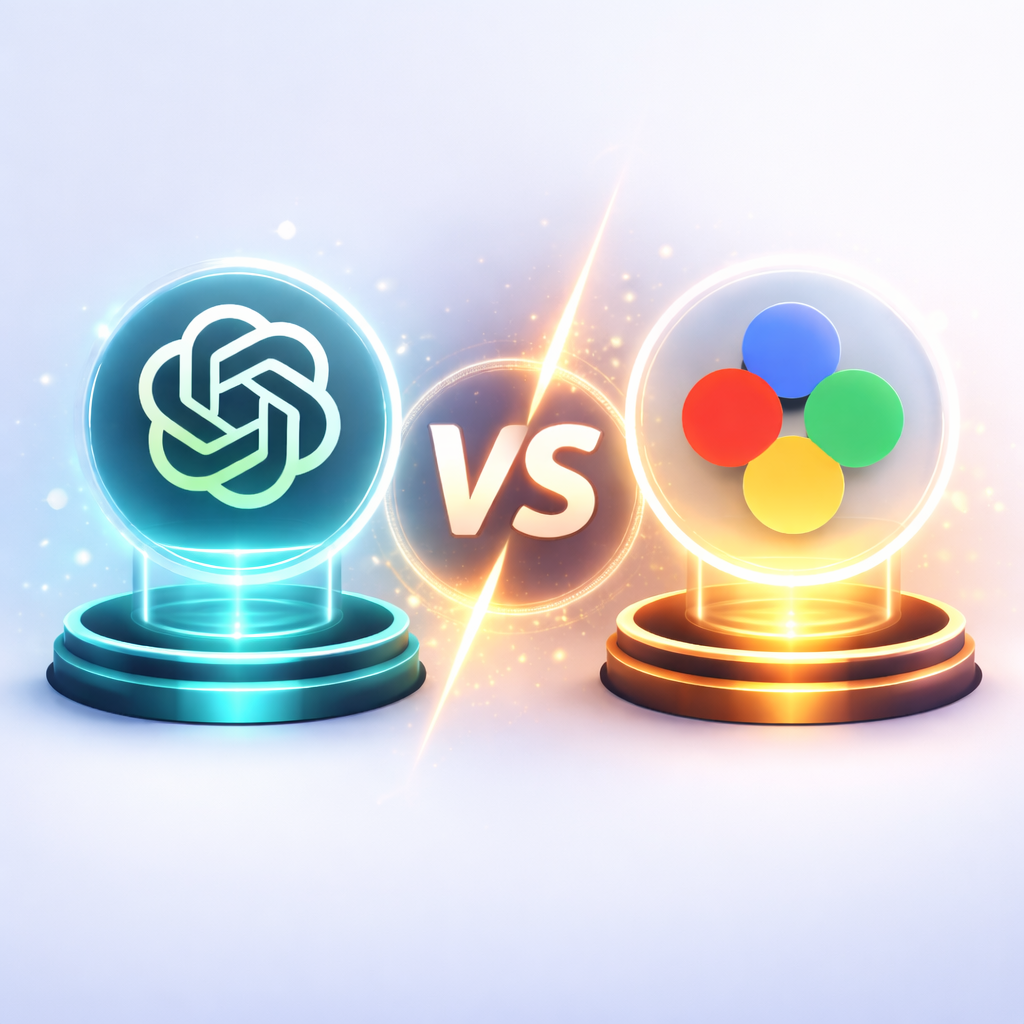
In the rapidly evolving landscape of artificial intelligence, two names have been making significant waves: ChatGPT and Google Gemini. Both are powerful AI models, but they serve different purposes and are developed by different companies with distinct goals. This article will explore the key differences between ChatGPT and Google Gemini, their functionalities, and how they fit into the broader AI ecosystem.
Overview of ChatGPT and Google Gemini
ChatGPT
ChatGPT is an AI language model developed by OpenAI. It is designed to understand and generate human-like text based on the input it receives. ChatGPT has been widely used for various applications, including content creation, customer service, and educational tools. It is known for its ability to engage in natural and coherent conversations, making it a popular choice for users seeking AI-driven interactions.
Google Gemini
Google Gemini, on the other hand, is a suite of AI models developed by Google. Unlike ChatGPT, which focuses primarily on text generation, Gemini is designed to handle multiple types of data, including text, images, and even audio. Google Gemini aims to provide a more comprehensive AI solution that can integrate seamlessly with Google’s ecosystem of products and services.
Key Differences
1. Data Types and Modalities
ChatGPT:
- Primarily focused on text-based interactions.
- Capable of generating coherent and contextually relevant text responses.
- Limited to handling textual data.
Google Gemini:
- Supports multiple data types, including text, images, and audio.
- Designed to provide a more versatile AI experience by integrating different modalities.
- Capable of understanding and generating content across various formats.
2. Integration with Ecosystems
ChatGPT:
- Developed by OpenAI, it can be integrated into various third-party applications and platforms.
- Offers API access for developers to build custom applications.
- Standalone product with a focus on conversational AI.
Google Gemini:
- Deeply integrated with Google’s ecosystem, including Google Cloud, Google Workspace, and other Google services.
- Provides seamless integration with existing Google products, enhancing their functionality.
- Part of Google’s broader AI strategy to enhance user experience across its platforms.
3. Use Cases and Applications
ChatGPT:
- Content creation and writing assistance.
- Customer support and virtual assistants.
- Educational tools and tutoring.
- Language translation and comprehension.
Google Gemini:
- Multi-modal data processing and analysis.
- Enhanced search capabilities with visual and audio inputs.
- Advanced data insights and automation within Google services.
- Cross-platform AI applications that leverage multiple data types.
4. Accessibility and Availability
ChatGPT:
- Available through OpenAI’s platform and API.
- Offers both free and subscription-based access (ChatGPT Plus).
- Accessible to developers and businesses through API integration.
Google Gemini:
- Integrated into Google’s suite of products and services.
- Available to users through Google Cloud and other Google platforms.
- Part of Google’s broader AI offerings, with potential for enterprise solutions.
5. Development and Innovation
ChatGPT:
- Developed by OpenAI, known for its pioneering work in AI research and development.
- Regular updates and improvements based on user feedback and research advancements.
- Focus on enhancing conversational AI capabilities.
Google Gemini:
- Developed by Google, leveraging its vast resources and expertise in AI.
- Continuous innovation within Google’s AI research division.
- Emphasis on multi-modal AI and integration with Google’s ecosystem.
Conclusion
In summary, while both ChatGPT and Google Gemini are powerful AI models, they cater to different needs and audiences. ChatGPT excels in text-based interactions and is widely used for conversational AI applications. Google Gemini, on the other hand, offers a more versatile solution by handling multiple data types and integrating seamlessly with Google’s ecosystem. Understanding these differences can help users and developers choose the right AI tool for their specific needs and applications.