
|
Getting your Trinity Audio player ready...
|
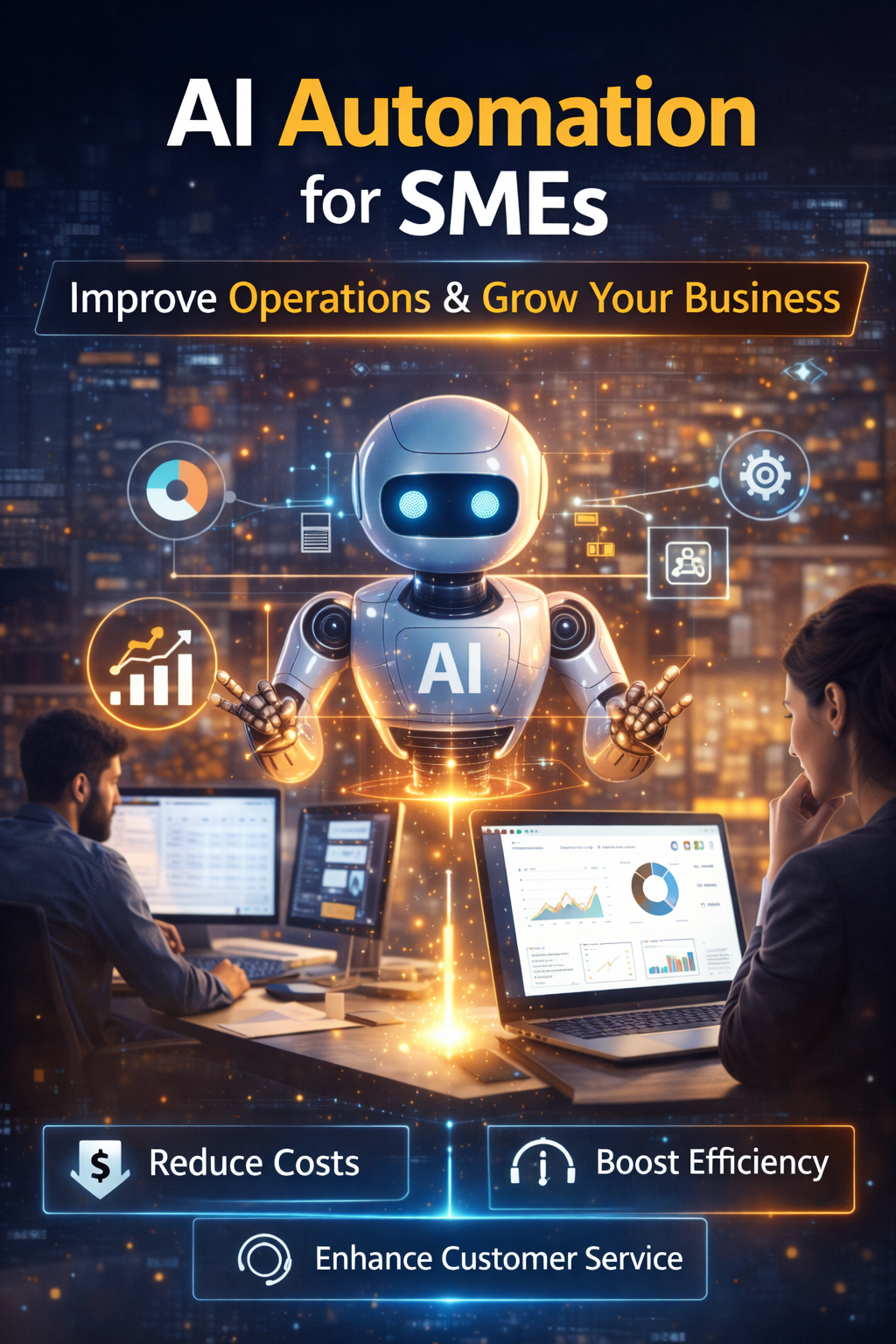
Running a small or medium-sized business (SME) comes with its unique set of challenges. Time, budget, and resources are often limited. Thankfully, AI automation is leveling the playing field, allowing SMEs to operate more efficiently, reduce costs, and compete with larger organizations.
What Is AI Automation and Why Does It Matter?
Artificial Intelligence (AI) automation involves using smart software to perform repetitive tasks that usually require human effort. These include processing data, scheduling appointments, customer communication, and inventory tracking. By implementing AI automation, SMEs can focus on more strategic, value-driven work while saving time and money.
The Key Benefits for SMEs
Here are some clear advantages AI automation brings to small and medium enterprises:
- Increased efficiency: AI systems can handle multiple processes 24/7 without breaks or mistakes.
- Lower costs: Automating routine tasks reduces the need for additional staff.
- Enhanced customer experience: Faster responses, personalized service, and round-the-clock availability.
- Smarter decision-making: AI-driven analytics provide real-time insights and predictions.
Real-World Applications of AI Automation for SMEs
AI automation is more accessible than many SMEs realize. Here’s how it’s making a difference:
1. Customer Support
Virtual chatbots and AI assistants can manage FAQs, appointment bookings, and common inquiries 24/7, improving customer satisfaction while reducing workload on staff.
2. Accounting & Bookkeeping
Solutions like automated invoicing, expense tracking, and AI-powered bookkeeping drastically reduce errors and administrative time.
3. Inventory Management
Smart systems can automatically track stock levels, reorder products when needed, and even forecast future demands.
4. Digital Marketing
AI-driven marketing tools handle tasks such as email personalization, social media scheduling, and targeted ad creation—boosting reach without added labor.
Implementing AI Automation: Practical Steps for SMEs
Adopting AI automation doesn’t have to be overwhelming. Follow these practical steps:
- Identify Repetitive Tasks: Start by listing tasks that consume valuable time, like scheduling, data entry, or customer emails.
- Explore AI Tools: Compare platforms designed for SMEs (many offer free trials or affordable packages).
- Train Your Team: Ensure everyone knows how to use the new technology effectively.
- Start Small, Scale Gradually: Test one or two processes, then expand once you see clear benefits.
Common Challenges (and How to Solve Them)
Cost Concerns
Choosing entry-level or scalable AI tools helps avoid upfront capital expenses. Many solutions charge on a subscription basis, matching your growth.
Integration Issues
Some platforms integrate directly with existing business tools, so technical knowledge isn’t required. Seek out integrations that work with software you already use.
Skepticism about AI
Educate your team about how automation enhances, rather than replaces, human work. Emphasize benefits like improved efficiency and new focus areas for staff.
Measurable Results SMEs Are Seeing
Here’s how AI automation impacts the bottom line for SMEs:
- Task completion speed: 50-75% faster for repetitive activities
- Error reduction: As much as a 90% drop in mistakes compared to manual handling
- Cost savings: Reduction in labor expenses by reallocating staff or avoiding new hires
- Productivity boost: Up to 25% increase in available employee hours for core business work
Conclusion: Smarter, Not Harder
AI automation isn’t just for big corporations anymore. By adopting these technologies, SMEs can achieve the agility, efficiency, and competitive edge that once only major enterprises enjoyed. With so many accessible and affordable tools, there’s never been a better time to streamline operations and drive your business forward.
Are you ready to see how AI automation can work for your SME? Begin with small steps, learn what works best, and watch your business transform for the better.